Cataract procedure is one of the most common and well-established operations in contemporary healthcare, improving the lives of countless individuals by bringing back sharpness to their vision. As our knowledge of ocular health advances, so do the approaches and innovations used in this operation, helping patients find their way through the often overwhelming landscape of eye care. Whether it’s understanding when to get care or recognizing the signs that suggest a need for assistance, the field behind cataract surgery is vital for ensuring ideal ocular wellness.
For those seeking answers about lens opacities and the surgical options available, knowing the appropriate questions to ask, such as "Can I undergo cataract surgery?" or "What complications might arise?" can set the stage for knowledgeable decisions. With Difficulty Driving At Night Cataracts like age limits, fast recovery methods, and the potential of vision correction during the procedure, it is important to speak with a cataract surgery specialist or ophthalmologist who can provide tailored advice specific to personal circumstances. Grasping https://alesia.technetbloggers.de/the-craft-of-clearness-exploring-the-life-of-a-doctor-specializing-in-cataracts can lead to a more seamless journey toward enhanced eyesight and enhanced quality of life.
Lens Surgery Summary
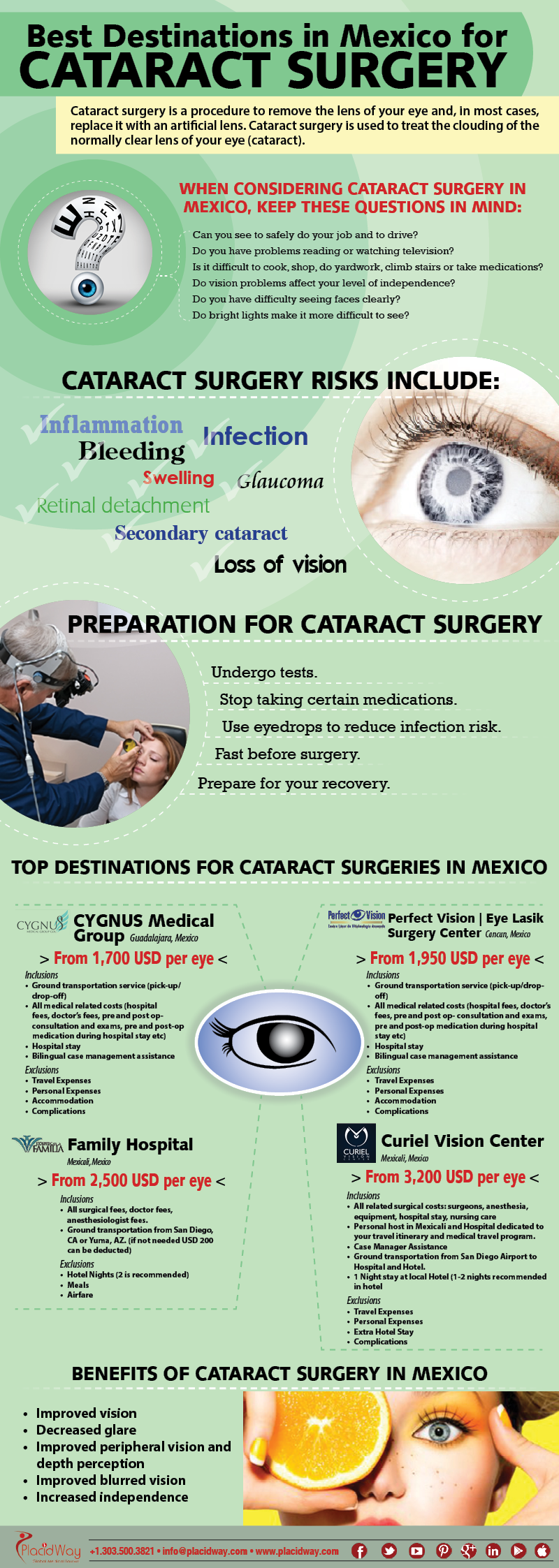
This procedure is a common operation designed to reclaim vision affected by cataracts, which are opaque areas in the lens of the eye. These cataracts lead to issues such as hazy or blurry vision, making everyday activities increasingly challenging. The surgery involves removing the clouded lens and often substituting it with an man-made intraocular lens, which permits for sharper vision. click the up coming website find significant improvement in their sight after the procedure.
When considering this operation, factors such as age, the severity of vision impairment, and overall eye health are important in determining suitability. For many, the choice to go ahead with surgery depends on how cataracts interfere with day-to-day activities. Signs you need cataract surgery may entail difficulty seeing text, operating a vehicle, or viewing in low light. An eye specialist trained in this procedure can evaluate whether surgery is the best option.
The advancements in surgical methods, such as fast recovery cataract surgery, have made the operation more efficient and less traumatic. Many individuals are able to return to their normal routine shortly after the surgery. Furthermore, cataract surgery can also treat other vision issues, allowing corrections for conditions like astigmatism during the same procedure. Overall, cataract surgery offers a promising solution for those affected by cloudy vision and aims to significantly enhance quality of life.
Indications for Surgery
Surgery for cataracts is required when cataracts substantially influence daily activities and quality of life. Primary factors for evaluating surgery include difficulty with reading, viewing TV, or operating a vehicle, particularly at night. When cloudy vision from cataracts advances to the stage where it hinders with normal tasks, it could be appropriate to assess the need for an operation.
The patient's age is a frequent consideration, but there are no strict cataract surgery age requirements. Instead, it is crucial to evaluate the patient's overall health and the degree of their symptoms. Patients often wonder, "Am I a candidate for cataract surgery?" The decision usually requires a thorough assessment by an ophthalmologist for cataract surgery, who will consider visual acuity tests and assess how well the patient can manage normal tasks.
In some cases, patients may notice signs that suggest the need for cataract surgery, such as cloudy vision or greater sensitivity to glare. Quick recovery cataract surgery techniques are more and more popular, allowing for fast healing and a resumption to everyday life soon after the surgery. Surgeons may even deliver vision correction during cataract surgery, treating other refractive issues concurrently, which can improve overall visual outcomes.
Eligibility and Evaluation
Determining if you are a suitable candidate for cataract surgery involves a thorough evaluation by a certified ophthalmologist. Typical signs that indicate the need for surgery are hazy or blurry vision, difficulty in seeing at night, halos around lights, or colors looking faded. If these symptoms impact with daily activities like reading, driving, or working, it is essential to seek an evaluation. Your eye doctor can perform a thorough examination, which may consist of sight tests and a dilated eye exam to evaluate the extent of the cataract.
Age is a major factor in cataract surgery eligibility, but there are no specific age requirements. While cataracts are most commonly developed in older adults, younger individuals can also experience this condition. The decision to move forward with surgery is based primarily on the severity of symptoms and their impact on your quality of life rather than age alone. Talking about your lifestyle, visual needs, and any existing health conditions with your ophthalmologist will help decide if surgery is appropriate for you.
Once evaluated, your ophthalmologist will advise you on the appropriate time for surgery. For some, rapid recovery cataract surgery possibilities are available, allowing for a faster return to daily activities. In cases where cataracts affect both eyes, surgery may be recommended for one eye at a time or both simultaneously, based on the patient's health and preferences. Evaluating potential complications is also crucial, as understanding the risks helps you make an informed decision about your cataract surgery eligibility.
Recovery and Results
After cataract surgery, patients generally experience a quick recovery, often going back to their daily activities within a few days. Most individuals see an enhancement in their vision soon after the surgery, but it is important to allow time for the eyes to heal completely. During the healing process, patients may experience some temporary pain, such as mild irritation or sensitivity to light. It is crucial for patients to follow their ophthalmologist's after-surgery instructions, including the use of recommended eye drops to reduce swelling and prevent any complications.
The outcomes of cataract surgery are typically very positive, with a strong success rate in restoring sharp vision. Many patients report significant improvements in their routine tasks, such as reading, driving, and watching television. However, some may experience issues, such as blurred vision or cloudiness due to PCO. These issues can usually be addressed with a minor outpatient treatment. Regular follow-up visits with a cataract surgery specialist are crucial to track recovery and ensure optimal visual results.
Determining when to have cataract surgery is largely based on the effect of cataracts on an individual's daily life. Signs that prompt consideration for the procedure include hazy or fuzzy vision that impacts everyday tasks. Age requirements are flexible, as surgery can be performed when necessary, rather than solely dictated by age. Ultimately, the decision must involve a discussion between the patient and their ophthalmologist, focusing on overall eye health and candidacy for the procedure.